When to send stems instead of attending
Offline mix per track is €185; in-studio work is €88 per hour. For EPs up to five songs we offer €720 when stem layout is consistent across tracks.
Stems make sense if you live outside Amsterdam, already have the arrangement in your DAW, or finished live recording and only need mix and master here. Contact with a track list and target date for scope.
File format basics
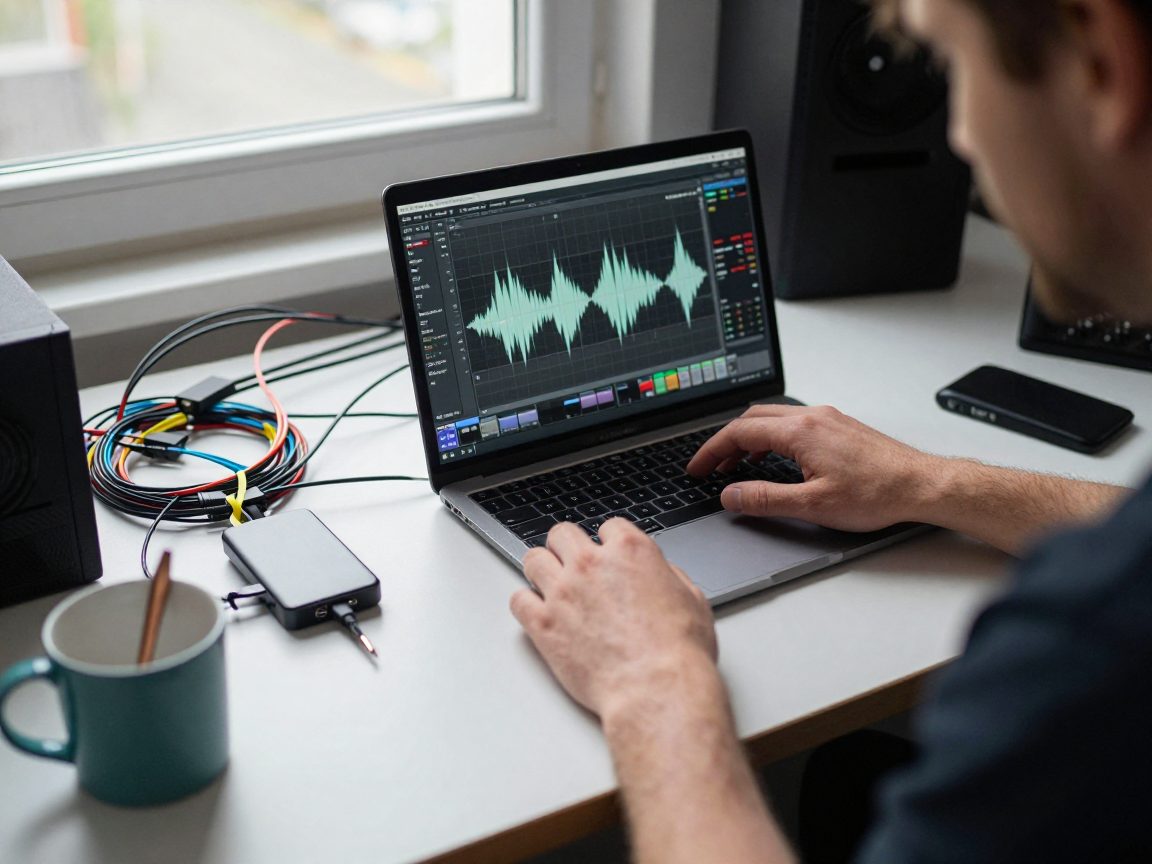
Deliver uncompressed WAV or AIFF, 24-bit, 44.1 kHz or 48 kHz — pick one sample rate per project and stick to it. Do not send MP3 or AAC as mix sources; conversion artifacts show up in cymbals and reverbs. Mono sources stay mono files; do not fake stereo by duplicating channels unless that is intentional.
Every stem must share the same timeline (identical length). Export from the same session start; no files with mismatched offsets. If you use tempo maps, attach a CSV or describe changes in your upload note.
Naming and folders
Use clear names: SongTitle_Instrument_Detail.wav, e.g. NightDrive_LeadVocal_Dry.wav or NightDrive_Drum_KickIn.wav. Avoid spaces; underscores or hyphens are fine.
Zip per song or share a cloud link we can download without account hurdles. Folder label: artist, song, bpm. When unsure, prefer verbose names over generic Audio 1.wav.
Dry versus processed stems
Default: dry or minimally processed exports — no reverb or delay unless intentional sound design. Guitar and bass may include amp/pedal tone if that is the agreed sound; say so in your README.
Send effect returns if you use parallel buses (e.g. drum room send). Vocal tuning is fine; optionally include an untreated take for mix adjustments. See vocal preparation if vocals are added later in our booth.
Headroom and sync
Peaks around −6 dBFS leave room for EQ and compression; clipped stems cannot be restored. Bypass master bus processing on export. Click and guide vocals can live in a References folder, not printed into music stems.
For picture sync, note frame rate and start timecode. Narration with timecode fits voice-over service; music mixes usually need a clear bar/beat offset in text.
References and mix notes
Include one or two reference tracks (internal use only, not for re-release). Brief notes help: vocal level, drum dryness, avoid excessive sub if you test on phone speakers.
We include 2 revision rounds on mix/master per terms; bullet feedback beats vague “make it warmer”. Our mix engineers read your notes before session one.
Delivery and retention
Send download links via contact form or [email protected]; large packages may arrive in parts. Keep VAT details for invoicing, not filenames. Project files stay in archive for 24 months under studio rules.
Third-party samples need your commercial licence; we cannot clear rights for you. Raw stem privacy is covered in privacy policy. If files are too large for email, split archives under 2 GB and label parts clearly so we can reassemble without missing tracks.
Pre-upload checklist
- 24-bit WAV, one sample rate, equal stem length
- Logical per-instrument filenames
- Dry or labelled processed tracks
- Headroom, no clip, no limiter on bus
- References plus mix notes in text
- Contact details and delivery date
Next steps: Mastering and release formats for distribution. Rates on services overview. Reply within 2 business days after we receive complete files.